Shockwave Therapy in Phoenix, Mesa & Queen Creek
Shockwave Therapy: Activate Your Body’s Natural Repair Process
Shockwave therapy gives people across the Greater Phoenix area a practical, non-invasive way to address stubborn musculoskeletal pain by supporting the healing mechanisms your body already has.
At Premier Pain Management, we focus on treatments that work with your system rather than simply masking symptoms. This approach fits our broader commitment to non-opioid care that aims at the root of the problem. If you have been living with ongoing tendon, ligament, or muscle discomfort that limits work, hobbies, or daily movement, shockwave therapy may offer the additional support needed to move forward.
What Is Shockwave Therapy?
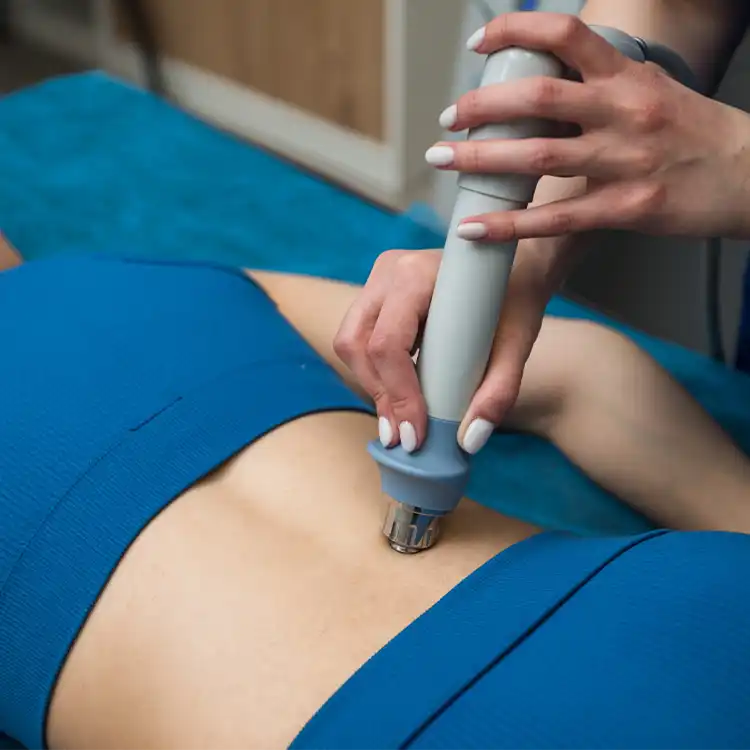
Shockwave therapy, also known as Extracorporeal Shockwave Therapy (ESWT), uses focused acoustic energy delivered through a handheld device to reach injured or irritated soft tissues and encourage repair from the inside out.
The treatment sends gentle, high-energy sound waves into muscles, tendons, and ligaments. These waves improve local blood flow, help break down thickened scar tissue, stimulate cellular activity, and support collagen production that strengthens the area over time. Originally developed for other medical uses, the technology has become a reliable option in orthopedic and rehabilitation settings because it activates the same repair processes your body uses after everyday strains or injuries.
At Premier Pain Management, we apply it specifically for patients who want effective help without the recovery demands of surgery or the risks tied to long-term medication reliance. The goal is to give the damaged tissue a meaningful nudge so healing can progress more efficiently.
Conditions We Commonly Address with Shockwave Therapy
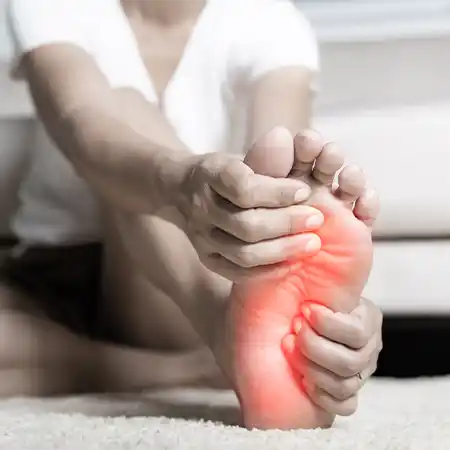
Shockwave therapy at Premier Pain Management helps many patients dealing with tendinopathy, plantar fasciitis, and chronic musculoskeletal pain because these conditions often involve tissues that respond well to acoustic stimulation that promotes repair and reduces ongoing irritation.
Tendinopathy, whether in the shoulder, elbow, knee, or Achilles area, frequently stems from repetitive strain or degenerative changes that leave tendons painful and less resilient. The waves can improve circulation and encourage healthier collagen remodeling so the tendon becomes more functional again. Plantar fasciitis, a common source of sharp or aching heel pain that worsens with standing or first steps in the morning, often improves as treatment supports healing in the thick connective band along the bottom of the foot and reduces the cycle of inflammation. Broader chronic musculoskeletal pain, including issues in the back, hips, or other joints that have lingered despite rest or basic care, may also benefit when the underlying soft tissue dysfunction is addressed directly rather than managed indefinitely with medication.
Key Benefits of Shockwave Therapy at Premier Pain Management
Patients in our care often appreciate that shockwave therapy targets the actual site of tissue trouble to promote genuine improvement in pain and function.
Because the waves stimulate circulation and cellular repair, many people experience gradual but noticeable reductions in discomfort and better range of motion as the series progresses. There is no incision, no anesthesia, and typically no extended recovery period, which means you can keep up with work and family responsibilities in Phoenix, Mesa, or Queen Creek without major disruption.
When we incorporate shockwave into a larger plan, it complements other conservative options we offer, such as chiropractic care and additional physical medicine modalities. This layered approach helps address contributing factors like muscle imbalances or joint stress instead of isolating one symptom. The result for many patients is steadier progress toward the activities they enjoy, whether that means walking the dog comfortably again or getting through a full workday with less nagging pain.
Who Is a Good Candidate for Shockwave Therapy?
If you have persistent soft-tissue pain that has not responded enough to initial rest, basic therapy, or other conservative steps, shockwave therapy could be worth exploring as part of a personalized plan.
It is commonly considered for ongoing issues involving tendons and ligaments around major joints, as well as certain muscle-related conditions that affect mobility. Ideal candidates are generally people who prefer active participation in their recovery and value options that support the body’s natural processes. During your visit, our providers take time to review your history, symptoms, and any available imaging so we can determine whether this treatment aligns with your specific needs and goals. We believe the best outcomes happen when patients understand the timeline and commit to the recommended course of care.
Why Choose Premier Pain Management for Shockwave Therapy?
What sets our team apart is the combination of long-standing community presence, a clear focus on root-cause care, and the ability to coordinate shockwave therapy with other supportive services all under one roof.
With more than 30 years of combined provider experience serving the Phoenix Valley, we understand the everyday realities of living and working here, from active lifestyles to the physical demands of many jobs. Our three locations in Phoenix (Maryvale), Mesa, and Queen Creek mean you can receive consistent care close to home without long commutes across the metro area.
Shockwave therapy is never offered in isolation. It becomes one element in a thoughtful plan that may also draw on chiropractic adjustments, therapeutic exercises, or other modalities when appropriate. This integrated model reflects our commitment to helping patients achieve lasting relief by supporting genuine tissue recovery rather than relying on repeated temporary measures.
What to Expect During Shockwave Therapy Treatment
Treatment sessions are designed to be efficient and comfortable, typically lasting 15 to 20 minutes with most people able to return to normal activities right afterward.
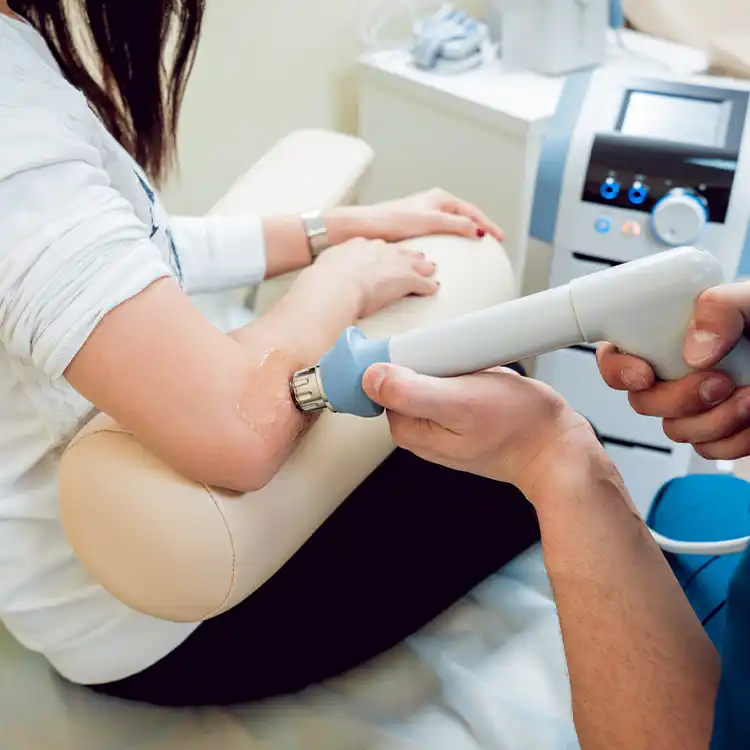
Your provider applies a conductive gel to the skin over the affected area and then uses the handheld applicator to deliver controlled acoustic pulses in a precise pattern. The sensation is often described as rhythmic tapping or mild pressure, and most patients tolerate it well without numbing. We generally recommend a series of three to six sessions spanned over several weeks, though the exact number depends on how your tissues respond and the nature of the condition.
Many individuals begin noticing meaningful changes in pain levels or movement after just a few visits as the stimulated repair process builds momentum. Because there is no sedation or significant downtime involved, you can usually drive yourself and resume light duties the same day.
Frequently Asked Questions About Shockwave Therapy
What conditions does shockwave therapy help with?
It is especially useful for chronic soft-tissue problems such as tendon irritation, ligament strain, and certain joint-related issues that have not fully improved with rest or basic care. Common areas include the heel, elbow, shoulder, knee, and parts of the back. Your provider will confirm during evaluation whether it fits your diagnosis and overall plan.
Does shockwave therapy hurt?
Most patients find the sessions quite tolerable. You may feel a series of quick taps or pressure, and sensitivity can vary by area, but it is not usually painful. Any mild soreness afterward often feels like ache after a workout and tends to ease within a day or two.
How many shock therapy sessions will I need and when will I notice results?
A typical course involves three to six sessions over several weeks. Many people start to feel less pain and improved movement within the first few visits, though full benefits often continue to develop in the weeks after treatment as the tissue repair process progresses.
Is there downtime or activity restrictions after shock therapy?
There is no significant downtime. Most patients return to regular routines immediately, though your provider may advise avoiding very heavy or repetitive stress on the area for a short time depending on your condition. This makes it practical for people with work and family commitments across the Valley.
Can shockwave therapy be combined with other treatments?
Yes. At Premier Pain Management, shockwave therapy often works best as part of a broader non-opioid plan that may include chiropractic care, therapeutic exercises, or other physical medicine approaches. We design coordinated care that supports comprehensive healing rather than depending on any single method.
Are there side effects or risks with shockwave therapy?
Shockwave therapy has a strong safety record when performed by trained providers. Temporary redness, mild swelling, or bruising at the site can occur but usually resolves quickly. We review your full medical history to ensure it is appropriate and safe for you.
Ready to Explore Whether Shockwave Therapy Can Help You Move Better?
If chronic musculoskeletal pain has slowed you down, shockwave therapy at Premier Pain Management may provide the targeted support your tissues need to heal more effectively. Our team is here to evaluate your situation, answer your questions, and help you understand whether this option fits into a plan that makes sense for your life.
Call us today or book an appointment online. We welcome patients at our convenient locations in Phoenix (Maryvale), Mesa, and Queen Creek and look forward to helping you take the next step toward greater comfort and function right here in your community.