
Advanced Regenerative Therapies Designed to Support Natural Healing
Regenerative Medicine Phoenix, AZ
Regenerative Medicine Across the Greater Phoenix Area.
With locations in Phoenix (Maryvale), Mesa, and Queen Creek, our team offers regenerative options such as Platelet-Rich Plasma (PRP) and stem cell therapies for patients seeking alternatives to surgery or long-term medication use. These treatments are designed to target damaged tissue at the source, helping reduce inflammation and improve joint function over time.
Regenerative medicine is an advanced, non-surgical approach to pain management that focuses on supporting the body’s natural healing processes. At Premier Pain Management Arizona, regenerative therapies are incorporated into a comprehensive medical pain model, not as standalone wellness treatments, but as part of a structured strategy to address joint damage, soft tissue injury, and chronic inflammation.
How Regenerative Medicine Complements Interventional Care
Regenerative medicine is often integrated into a broader pain management strategy. Rather than replacing traditional treatments, it may enhance outcomes when used appropriately.
Regenerative therapies may:
- Reduce inflammation within joints and soft tissues
- Support tissue healing at the structural level
- Improve long-term functional outcomes
In some cases, regenerative treatments are combined with:
- Targeted injection therapy
- Interventional pain procedures
- Rehabilitation programs
This coordinated approach allows us to address both the biological and mechanical components of pain.
Who May Benefit from a Regenerative Approach?
Regenerative medicine may be appropriate for patients who:
- Have chronic joint pain from osteoarthritis
- Experience tendon or ligament injuries
- Have persistent knee, shoulder, hip, or spine-related pain
- Have not achieved sufficient relief from physical therapy or standard injections
- Wish to explore non-surgical treatment options
Not every patient is a candidate. Medical history, imaging results, and overall health factors are reviewed to determine whether regenerative therapy is appropriate.
What Is Regenerative Medicine?
Regenerative medicine uses biologic materials, either from your own blood (PRP) or from donated umbilical cord tissue (stem cell therapy), to support tissue repair and reduce inflammation. Unlike traditional pain treatments that primarily manage symptoms, regenerative therapies aim to address the underlying structural damage contributing to pain.
Biologic components such as Platelet-Rich Plasma (PRP) or Stem Cell-Based Therapy contain growth factors and signaling molecules that may help stimulate tissue repair, support cartilage and tendon health, and calm inflammatory responses. When precisely injected into damaged joints or soft tissues, they may help improve function and reduce chronic pain over time.
Regenerative medicine is often considered for patients with joint degeneration, tendon injuries, ligament instability, or chronic inflammatory conditions.
What Is the Difference Between PRP and Stem Cell Therapy?
Stem Cell Therapy
Stem cells are your body’s raw materials, cells that can develop into other specialized cells such as bone, cartilage, or muscle. At Premier Pain Management, we use multipotent mesenchymal stem cells from Wharton’s jelly, the tissue inside donated umbilical cords, so nothing is collected from your body. The cells are injected into areas of injury or degeneration. Stem cell therapy can be performed independently or in combination with PRP to create a layered healing response tailored to your condition.
Platelet-Rich Plasma (PRP) Therapy
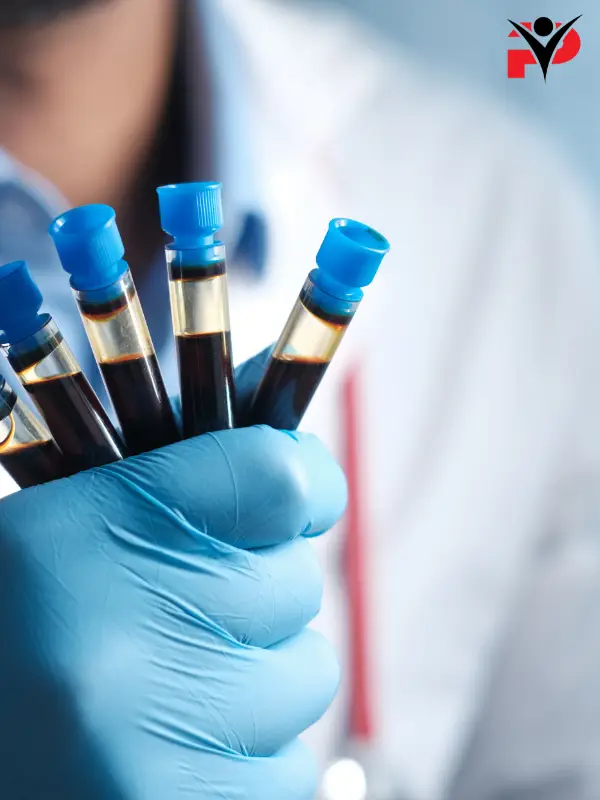
PRP therapy harnesses the power of your blood’s platelets—cells that contain essential growth factors used by the body to heal injuries. During a PRP treatment, a small amount of your blood is drawn, spun in a centrifuge to concentrate platelets, and precisely injected into the area of injury. Patients often begin noticing improvements in pain and function within 4–6 weeks, with continued progress over several months as the tissue rebuilds.
Laser-Enhanced Stem Cell Therapy (Photobiomodulation)
Photobiomodulation is the use of low-level laser light to boost the energy cells produce. At Premier Pain Management, our team may use a cold laser alongside stem cell therapy to support the cells being placed and the tissue around them. It is the same cold laser used in our cold laser therapy program.
Why Add a Laser to Stem Cell Therapy?
Stem cells need energy to survive and do their work in the tissue your body is trying to repair. Low-level laser light is absorbed by the mitochondria, the part of each cell that makes energy. Research suggests this can increase production of ATP, the molecule cells use as fuel. In laboratory and early clinical studies, light applied this way has been linked to better stem cell survival and activity, and to calmer inflammation in the surrounding tissue. In short, the laser is there to give the healing environment more energy to work with.
What the Laser Step Looks Like
- It is a “cold” laser, so it does not heat or cut tissue.
- The light is applied over the treatment area, during the same visit or at follow-up visits.
- Most patients feel a mild, gentle sensation or nothing at all.
- Your provider decides whether the laser step fits your treatment plan.
Laser treatment is one part of a broader plan, not a standalone fix. We combine regenerative options with interventional care, rehab, and regular follow-up so your progress is tracked over time.
Our Collaborative Care Model
Premier Pain Management Arizona operates as a multidisciplinary practice. Regenerative medicine is not offered in isolation, but part of a coordinated treatment strategy.
Our team evaluates:
- Structural joint integrity
- Nerve involvement
- Inflammatory patterns
- Functional limitations
When appropriate, regenerative therapies may be combined with interventional pain procedures, chiropractic care, or rehabilitation services to create a personalized treatment plan.

Frequently Asked Questions
Is regenerative medicine covered by insurance?
Coverage varies by provider and specific treatment. Our staff can review financial options and discuss coverage details before your procedure.
Does PRP work for knee pain?
Many patients with knee discomfort stemming from osteoarthritis or injury experience meaningful relief and improved mobility after PRP therapy at Premier Pain Management Arizona. The treatment concentrates growth factors from a small sample of your own blood and delivers them precisely to the affected joint to help calm inflammation while supporting natural tissue repair. Results vary depending on the degree of joint changes, overall health, and how well the therapy fits into a broader care plan, which is why our specialists perform thorough evaluations to identify suitable candidates. This approach serves as a strong nonsurgical option for those aiming to reduce reliance on medications or avoid surgery.
How long does PRP take to work?
The healing response initiated by PRP injections commonly leads to noticeable improvements in pain levels and joint function starting around four to six weeks after the procedure. These benefits tend to build steadily as tissue regeneration takes place, often extending over the course of multiple months. At our practice serving the Phoenix area including Maryvale, Mesa, and Queen Creek, providers track progress closely and may recommend supportive steps such as targeted rehabilitation to help optimize outcomes during this window. Timelines differ by individual, so clear discussions with your care team help establish practical expectations.
What conditions does regenerative medicine treat?
Regenerative medicine options available through Premier Pain Management Arizona target a range of musculoskeletal challenges, including ongoing joint pain linked to osteoarthritis and damage to tendons or ligaments around major joints. Patients often seek these therapies for persistent issues in the knee, shoulder, hip, or along the spine, where the focus is on encouraging the body’s natural repair processes and easing chronic inflammation. By weaving biologic treatments into customized, multidisciplinary plans, our team helps address underlying contributors to discomfort rather than only managing symptoms. This integrated strategy works well for individuals across our Arizona locations who want alternatives to surgery or extended medication use while pursuing better long-term function.
Do studies show stem cell injections beat PRP for knee osteoarthritis?
No. Head-to-head trials in symptomatic knee osteoarthritis have not shown cell-based injections to be consistently superior to PRP on pain and function over 12 to 24 months. In a 2022 randomized study in the American Journal of Sports Medicine, patients improved in both groups, and imaging changes were also similar. That is why we do not treat “stem cells” as an automatic upgrade. The better question is whether your joint stage, prior response, and overall health make one starting point more appropriate than the other.
If results look similar, why consider stem cell therapy at all?
Because the treatments are not identical even when average trial scores look close. PRP is prepared from your own blood draw. Our stem cell option uses mesenchymal stem cells from donated umbilical cord tissue (Wharton’s jelly), so there is no collection procedure from your own body. We consider it when milder options have plateaued, when the joint shows more advanced degenerative change, or when a combined plan is the point. We do not recommend it just because the name sounds more advanced.
Can PRP be done first and a cell-based injection later?
Yes. For many people with mild to moderate knee osteoarthritis, PRP is a reasonable first biologic because it is prepared from your own blood in the same visit and has the larger body of research. If comfort and function improve enough, nothing further may be needed. If the response is incomplete after an appropriate interval, a cell-based injection can still be discussed. That sequence is a clinical decision after we see how your joint responds, not a package sold up front.
Does bone-on-bone arthritis still respond to these injections?
Sometimes, but much less reliably, and it is not what these treatments do best. When imaging shows bone-on-bone change, the main problem is often mechanical loss of joint space rather than inflammation we can reset with a biologic. Some patients still get a period of improved comfort. Many do not get a meaningful or lasting change, and the conversation may need to include other interventional options or whether a surgical referral is more honest. We decide that from your imaging and exam, not from the diagnosis name alone. Learn more about arthritis on our osteoarthritis page.
Will this regrow cartilage on an MRI?
Not in a consistent, large-scale way in human trials. Both PRP and cell-based injections help calm inflammation and improve comfort and movement. They have not been shown to rebuild a worn joint surface on MRI in the way many advertisements imply. If an X-ray or MRI already shows advanced cartilage loss, the goal of treatment is function and pain control, not reversing the picture. We will say that plainly before anyone books a procedure.
Is a combined PRP + cell-based plan automatically better?
No. Combining them can make sense in a personalized plan when we want platelet signaling and a cell-based concentrate in the same joint, but combining procedures is not automatically more effective. Extra steps mean extra recovery and cost without a guarantee of a better result. We use a combined approach when the joint findings and prior response support it, not as a default “more is better” package.
Why do you use a laser with stem cell therapy?
A low-level cold laser delivers light energy that cells absorb and use to make ATP, their main fuel. Studies suggest this extra energy may help stem cells survive and stay active after they are placed, and may help calm inflammation around the treatment area. Your provider will tell you whether this step is part of your plan.
Is the laser used with stem cell therapy the same as cold laser therapy?
Yes. It is the same cold laser we use for cold laser therapy. The difference is how it is used: on its own to help with pain and inflammation, or alongside stem cell therapy to support the cells.
Schedule a Regenerative Medicine Consultation
Contact our offices in Phoenix (Maryvale), Mesa, or Queen Creek to schedule a consultation and learn whether regenerative treatment fits your pain management goals.