
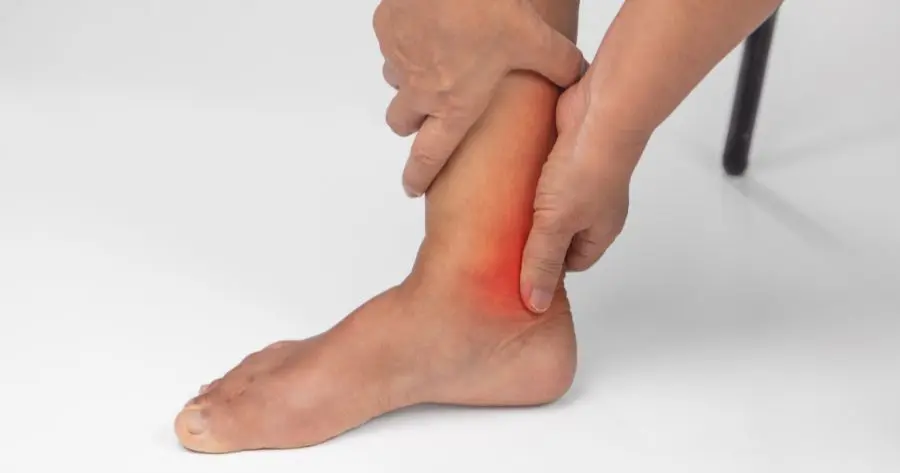
Tingling in the feet. Burning sensations along one leg. Numbness that comes and goes in the hands. These symptoms are common enough that many patients assume they already know the cause. Some are told they have a pinched nerve. Others are told it is neuropathy. In many cases, no one has confirmed which one it actually is.
That distinction matters because peripheral neuropathy and a pinched nerve involve different mechanisms, produce different symptom patterns, and respond to different treatments. Getting the diagnosis right is what allows a specialist to build a plan that addresses the actual source rather than managing symptoms in general.
Two Different Problems That Can Feel Similar
Both conditions involve nerve dysfunction, which is why the symptoms can overlap. Burning, tingling, numbness, and shooting pain can appear in either. The key differences lie in where the nerve problem originates and how it behaves.
A pinched nerve occurs when a specific nerve is compressed at a single location. That compression typically happens at the spine, where a herniated disc, bone spur, or narrowed spinal canal puts mechanical pressure on a nerve root as it exits between the vertebrae. The result is pain or altered sensation that follows the path of that nerve from the compression point outward.
Lumbar radiculopathy, commonly known as sciatica, is one of the most recognized examples. The nerve root is compressed in the lower spine, and symptoms radiate down through the hip, leg, and sometimes into the foot.
Peripheral neuropathy involves damage or dysfunction across the peripheral nervous system more broadly. Rather than compression at a single point, the nerves themselves have been affected, often over time and frequently in multiple locations. The causes include systemic conditions such as diabetes, autoimmune disease, thyroid dysfunction, nutritional deficiencies, and toxic exposure. Symptoms typically develop gradually and follow a pattern that begins in the feet and hands before moving upward.
How Symptom Patterns Help Distinguish Them
One of the most useful diagnostic tools is the pattern of symptoms rather than the symptoms themselves.
A pinched nerve tends to produce symptoms that are one-sided and follow a defined nerve pathway. If a disc is compressing the L5 nerve root on the left side, symptoms will generally appear on the left, running from the lower back through the buttock and into the outer leg or foot. The pattern is predictable because it corresponds to the anatomy of that specific nerve.
Peripheral neuropathy more commonly produces symptoms that are bilateral and symmetrical. The classic presentation is a stocking-and-glove pattern, where both feet are affected before both hands, with symptoms moving gradually upward over time. The sensation is often described as a persistent burn, deep ache, or constant pins-and-needles feeling rather than the sharp, shooting quality more typical of radicular nerve pain.
Symptoms that worsen at night, that are present at rest without any clear positional trigger, and that have developed slowly over months or years are more consistent with peripheral neuropathy. Symptoms that shift with movement, worsen with specific positions, or appeared after a particular injury or event more often indicate a structural source such as nerve compression.
That said, these patterns are not absolute. Some patients have both conditions simultaneously. Others have peripheral neuropathy that is more pronounced on one side due to underlying factors in blood flow or nerve health. A specialist evaluation is what determines which mechanism is at work.
What a Specialist Evaluation Looks For
A clinical examination for nerve-related symptoms goes beyond asking where it hurts. A pain management evaluation looks at the distribution of symptoms, whether reflexes are altered, where sensory changes are present, and how the symptoms respond to movement or position changes.
Imaging plays a different role depending on the suspected diagnosis. MRI of the spine can identify disc herniation, foraminal narrowing, or other structural causes of nerve compression. For peripheral neuropathy, blood work is often part of the workup to assess for diabetes, thyroid function, B12 levels, and markers of systemic inflammation. Nerve conduction studies may be ordered to evaluate how well signals are moving through specific nerve segments.
At Premier Pain Management, this evaluation process is structured around identifying the mechanism with enough precision to guide treatment. A patient with lower back pain and leg tingling might have lumbar radiculopathy, peripheral neuropathy, or both. The treatment approach for each is meaningfully different, and combining approaches without that clarity tends to produce inconsistent results.
How Treatment Differs Based on the Diagnosis
When nerve compression at the spine is confirmed as the source of symptoms, interventional procedures can target that specific location directly.
Epidural steroid injections deliver anti-inflammatory medication to the affected nerve root, reducing the swelling and irritation that compression causes. For patients whose symptoms have not responded to conservative care, this approach can provide meaningful relief while the structural cause is managed.
Nerve blocks can be used both diagnostically, to confirm which nerve is involved, and therapeutically. In cases where a specific nerve pathway is responsible for ongoing pain, radiofrequency neuroablation offers longer-term disruption of pain signal transmission.
Peripheral neuropathy is managed differently. Because the problem involves nerve health across a broader system, neuropathy treatment focuses on identifying and addressing contributing causes, protecting nerve tissue from further damage, and reducing the pain and functional impact of existing nerve dysfunction. Depending on the underlying cause and the extent of nerve involvement, this may include medication management, physical medicine approaches, and therapies that support nerve function and circulation.
Where both conditions are present, the treatment plan addresses both simultaneously rather than defaulting to one and assuming the other will resolve.
When to Seek a Specialist Evaluation
Nerve symptoms that have persisted for more than a few weeks, that are spreading, that are limiting daily activity, or that have not responded to initial treatment warrant evaluation by a pain specialist rather than continued trial-and-error management.
The earlier a nerve condition is accurately diagnosed, the more treatment options are available. Peripheral neuropathy that progresses without intervention can become more difficult to manage over time. Nerve compression that is addressed before significant nerve damage occurs typically produces better outcomes than compression that has been present for years.
Premier Pain Management sees patients with both conditions across our clinics in Phoenix, Maryvale, Mesa, and Queen Creek. Same-day appointments are available, and no referral is required to schedule. Our team includes board-certified physicians, nurse practitioners, and chiropractic specialists who work together across a single coordinated plan.
If you are experiencing nerve pain, numbness, tingling, or burning and have not had a clear diagnosis, a specialist evaluation is the appropriate next step.
Schedule an Appointment | Call or Text: (480) 954-2491
Premier Pain Management provides diagnosis and treatment for peripheral neuropathy, pinched nerves, sciatica, and chronic nerve pain conditions at clinics in Phoenix, Mesa, and Queen Creek, Arizona.
“`