
Sciatica Treatment
Focused on Long-Term Nerve Pain Relief
Comprehensive Sciatica Treatment and Nerve Pain Care
If you’re experiencing sharp, burning pain that starts in your lower back and travels down your leg, you may be dealing with sciatica. For many people, sciatic nerve pain isn’t just uncomfortable, it disrupts sleep, makes sitting difficult, interferes with work, and limits everyday movement.
The encouraging news is that most cases of sciatica improve with the right treatment. Surgery is rarely the first step. In many cases, identifying the exact cause of the nerve irritation and addressing it early can significantly reduce pain and prevent it from becoming chronic.
At Premier Pain Management, we focus on diagnosing the source of your sciatic nerve pain and creating a personalized treatment plan designed to reduce inflammation, relieve pressure on the nerve, and help you return to normal activity safely.
What Is Sciatica?
Sciatica is not a condition by itself, it’s a symptom of nerve irritation. It occurs when the sciatic nerve, the largest nerve in the body, becomes compressed or inflamed.
The sciatic nerve begins in the lower (lumbar) spine, where individual nerve roots exit the spinal column. These nerve roots combine to form the sciatic nerve, which then travels through the hips and buttocks and down each leg.
When one of these nerve roots becomes irritated, a condition known as lumbar radiculopathy, pain can radiate along the entire pathway of the nerve. That’s why sciatica often feels like lower back and leg pain at the same time.
Many patients describe sciatica as:
- A sharp or electric pain shooting down one leg
- Burning discomfort in the buttock or thigh
- Pain that travels below the knee into the calf or foot
- Numbness or tingling in the leg
- Weakness in the affected leg
Although the pain is usually felt in the leg, the underlying issue almost always begins in the lower spine.
What Causes Sciatic Nerve Pain?
Many patients describe sciatica as a “pinched nerve in the lower back.” That’s often accurate. Each cause requires a slightly different treatment approach, which is why a proper evaluation matters.
Common causes include:
Herniated or Bulging Discs
Spinal discs act as cushions between the vertebrae. If a disc bulges or ruptures — especially at L4-L5 or L5-S1 — it can press against nearby nerve roots and cause shooting pain down the leg.
Degenerative Disc Changes
As discs lose hydration and flexibility with age, they may collapse slightly. This can contribute to inflammation and nerve root compression.
Spinal Stenosis
Spinal stenosis occurs when the spinal canal narrows, reducing space for nerves. This narrowing can lead to chronic nerve compression and persistent hip and leg pain.
Piriformis Syndrome
In some cases, the sciatic nerve becomes irritated outside the spine. A tight piriformis muscle in the buttock can compress the nerve and create symptoms similar to spinal sciatica.
What Does Sciatica Feel Like?
Sciatica symptoms vary in intensity. Some people experience mild flare-ups, while others struggle with severe or chronic pain.
You may notice:
- Pain that radiates from the lower back into one leg
- Pain that extends below the knee
- Hip and leg discomfort on one side
- Numbness or tingling in the foot
- Weakness when lifting the leg
Sitting often increases pressure inside the spinal discs, which can aggravate symptoms. Standing or walking may improve or worsen pain depending on the cause.
If symptoms are persistent, worsening, or interfering with daily activities, it’s important to seek evaluation before the irritation becomes more difficult to treat.

Why Early Treatment Matters
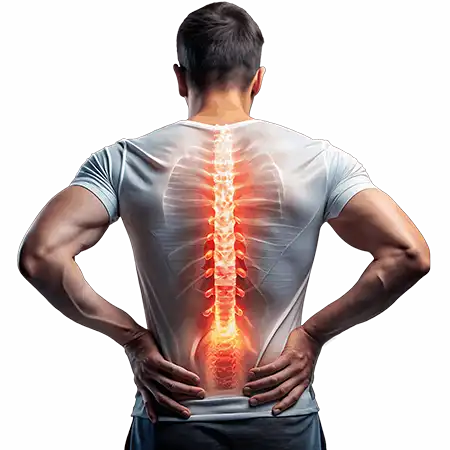
Some mild cases of acute sciatica improve with time and conservative measures. However, ongoing nerve root compression can lead to chronic inflammation, muscle weakness, and recurrent flare-ups.
Early evaluation allows us to:
- Identify the exact source of nerve irritation
- Prevent long-term nerve damage
- Reduce the likelihood of chronic sciatica
- Avoid unnecessary surgery
The longer a nerve remains irritated, the more sensitive it can become. Addressing the cause early improves the chances of long-term relief.
Non-Surgical Treatments Focused on Lasting Relief
Most patients with sciatica improve without surgery. At Premier Pain Management, treatment begins with conservative, evidence-based care designed to relieve nerve irritation and restore function.
Our approach focuses on reducing inflammation, improving mobility, and helping prevent future flare-ups. When needed, targeted injections can provide meaningful pain relief, creating a window where rehabilitation and movement-based therapies are more effective.
Anti-Inflammatory Strategies
Anti-inflammatory injections or therapies may help calm acute flare-ups. Reducing inflammation allows the nerve to recover and improves tolerance for rehabilitation.
Cortisone Injections
When conservative treatment does not provide sufficient relief, a cortisone injection may be recommended.
These injections are specifically designed to reduce inflammation around the affected nerve root and decrease pain.
For many patients, injections provide meaningful relief and create a window where therapy, stretching and exercises become more effective.
Targeted Therapy & Rehab
Therapy is designed to improve spinal mobility, strengthen core muscles, and correct movement patterns that place stress on the lumbar spine.
Specific exercises can reduce nerve root compression and improve long-term stability.
Personalized Treatment Planning
No two cases of sciatica are identical. Your treatment plan will be based on:
- Physical examination findings
- Imaging results (if necessary)
- Severity of symptoms
- Duration of pain
- Functional limitations
Our approach is individualized, not one-size-fits-all.
When Is More Advanced Treatment Needed?
While most cases improve with non-surgical care, further evaluation is necessary if:
- Pain persists beyond several weeks
- Symptoms significantly limit walking or standing
- Leg weakness is progressing
- Imaging shows significant structural compression
Chronic sciatica that does not respond to conservative care may require more advanced intervention. Surgery is considered only when appropriate and when less invasive options have not provided relief.
Our philosophy is simple: begin with the least invasive option and escalate only when medically necessary.
Why Choose Premier Pain Management
for Sciatica Treatment in Phoenix?
Local Phoenix Providers Focused on Lasting Relief
Care is delivered by providers who live and practice in the Phoenix Valley, not a corporate network. Treatment is focused on resolving sciatic nerve pain at the source, not temporary symptom control.
Over 30+ Years Experienced, Multidisciplinary Sciatica Care
Board-certified physicians and licensed chiropractors work together to treat sciatica caused by disc herniation, spinal stenosis, and nerve compression using targeted, non-surgical and interventional options.
Fast Access to Care Across the Valley
Same-day and next-day appointments are available. Most insurance plans are accepted, and Spanish-speaking staff are available. Convenient locations in Phoenix (Maryvale), Mesa, and Queen Creek make it easy to start treatment quickly.
Frequently Asked Questions About Sciatica
Will sciatica go away on its own?
In some cases, mild sciatica can improve over several weeks as inflammation decreases and the irritated nerve settles. However, not all cases resolve without treatment.
Sciatica caused by significant disc herniation, spinal stenosis, or persistent nerve compression may continue or worsen without appropriate care. Ongoing nerve irritation can lead to prolonged pain, weakness, or functional limitations.
If leg pain, numbness, or weakness persists beyond a few weeks, or interferes with walking, sleep, or daily activities, a medical evaluation is recommended. Early assessment allows for targeted treatment that may prevent chronic nerve inflammation and reduce the likelihood of needing more invasive interventions.
At Premier Pain Management Arizona, treatment recommendations are based on imaging findings, symptom severity, and response to conservative therapy.
How long does sciatica last?
Acute sciatica may improve within a few weeks. Chronic sciatica can persist for months without structured treatment.
Is walking good for sciatic nerve pain?
In many cases, gentle walking helps maintain mobility. However, activity recommendations depend on the underlying cause of your symptoms.
Do injections cure sciatica?
Injections reduce inflammation but do not permanently correct structural compression. They are most effective as part of a comprehensive treatment plan.
When should I seek evaluation?
If pain lasts more than a few weeks, worsens, causes weakness, or interferes with daily life, it’s time for an evaluation.
When to Contact Premier Pain Management
for Sciatica Treatment in Phoenix
You don’t have to wait until the pain becomes unbearable.
Schedule a consultation if:
- Sitting, standing, or driving has become difficult
- Pain radiates below your knee
- You feel weakness in your leg
- Over-the-counter measures are not helping
- Symptoms are returning after previous flare-ups
Sciatica can feel overwhelming, but it is treatable.
The first step is identifying what’s causing the nerve irritation. From there, we can build a clear, structured plan to reduce inflammation, relieve pressure, and help you return to normal activity.
If you’re ready to take control of your sciatic nerve pain, contact Premier Pain Management today to schedule your consultation. The sooner we evaluate the cause, the sooner you can begin meaningful relief.
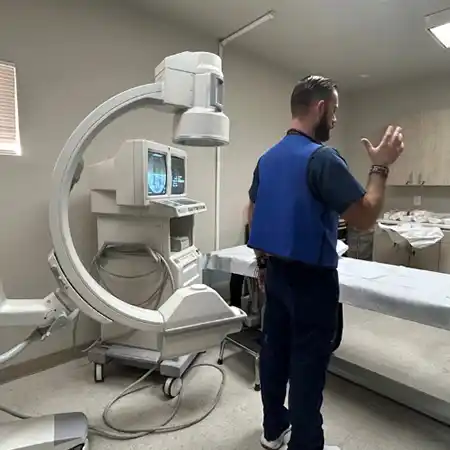
Schedule a Comprehensive Sciatica Evaluation
Persistent leg pain should not be ignored. Our interventional spine specialists will review your imaging, assess nerve involvement, and develop a targeted treatment plan based on your diagnosis.